
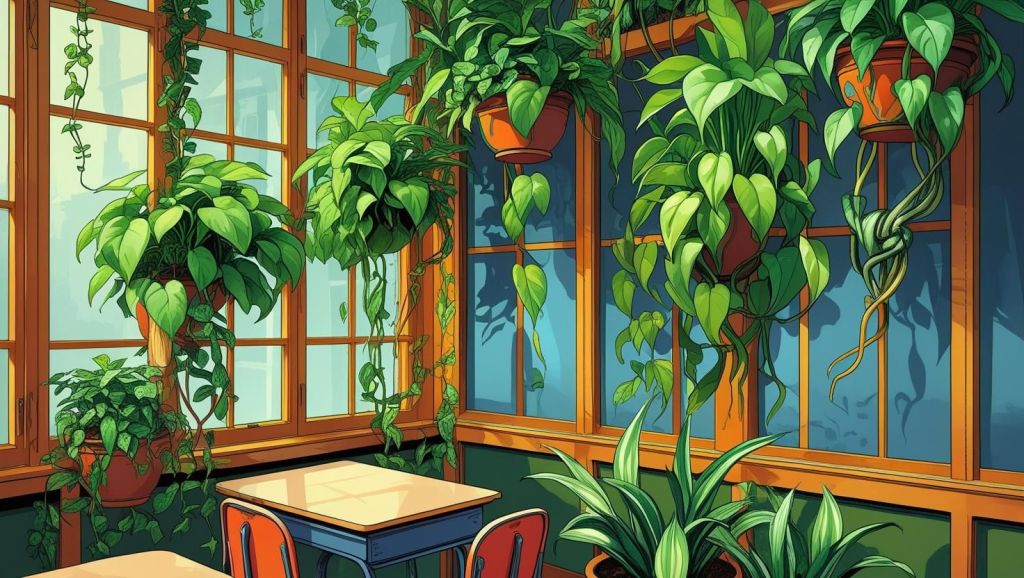
In a recent post, The Pinterest Paradox, I discussed how reducing visual overload in classroom environments can help children regulate, especially those who have experienced trauma. One simple but powerful strategy I highlighted was bringing plants into the classroom.
Benefits of Plants
Adding greenery isn’t just about aesthetics. Plants offer a range of benefits to the students (and teachers) who spend so much time in the physical environment.
- Natural Calm: Soft greens and organic textures create a more soothing, less stimulating environment.
- Cleaner Air: Many plants absorb carbon dioxide and release oxygen, and some even help filter out toxins and allergens.
- Responsibility & Independence: Caring for plants by watering, pruning, and fertilizing gives children a sense of ownership and pride.
- Hands-On Learning: Watching a plant grow offers a living example of the life cycle, sparking curiosity and wonder.
- Focus & Productivity: Exposure to plants has been linked to improved attention spans and greater task engagement.
- Emotional Wellbeing: Research shows that plants can reduce anxiety, lower stress levels, and boost mood.
For more information on why plants make you feel better, check out this article from the Washington Post.
My Go-To Classroom Plants
Ready to harness the power of plants to make your classroom space more trauma-responsive? Here are my favorite plants for classrooms, especially for educators who want low-maintenance options with big impact:
Pothos (Epipremnum aureum)
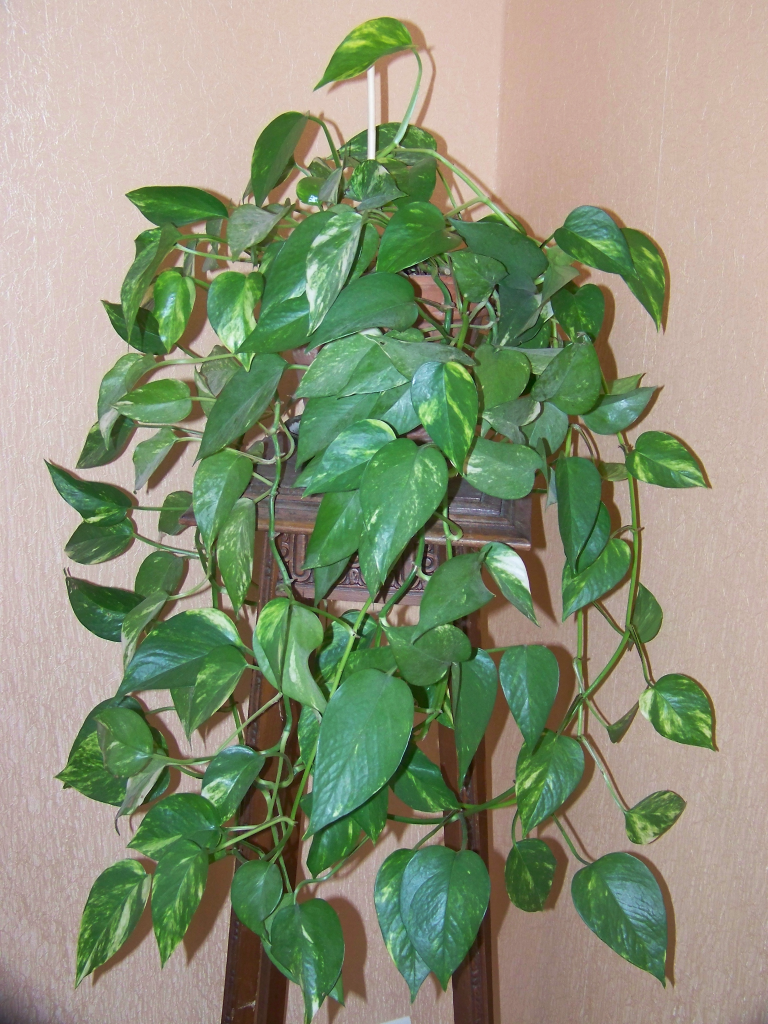
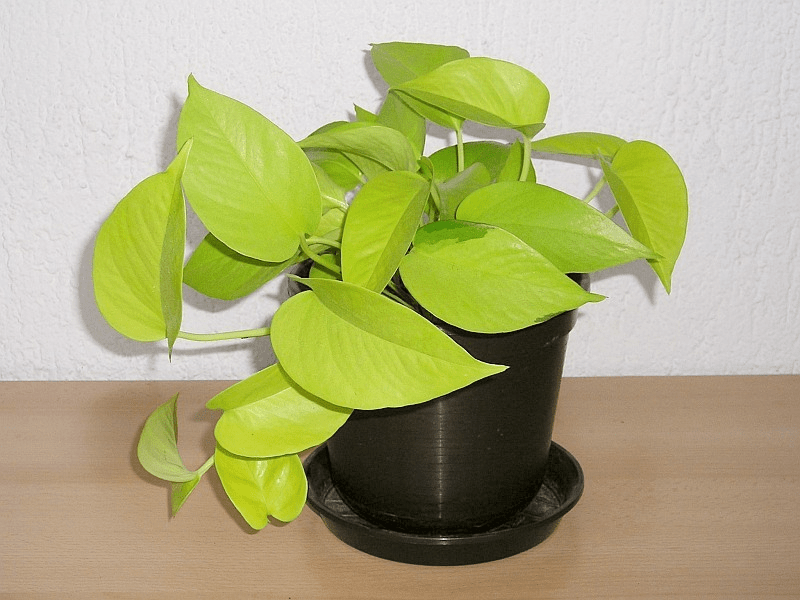
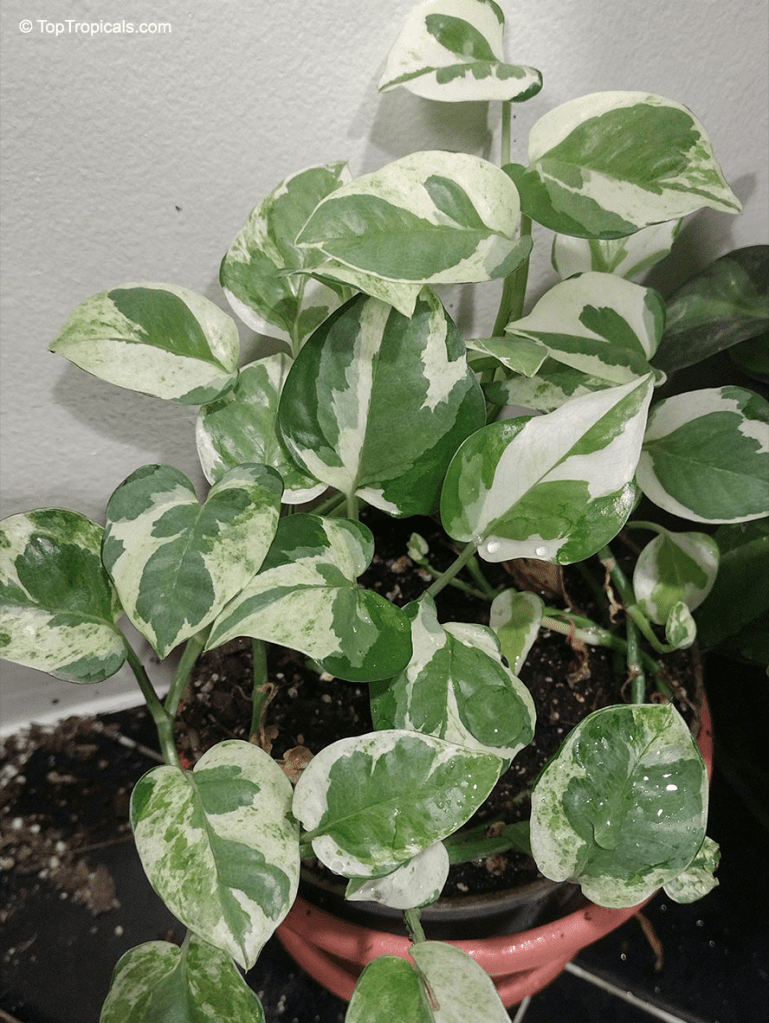
Affectionately known as devil’s ivy, pothos is my top pick for beginners. It’s a trailing vine that’s easy to care for and comes in fun varieties like golden, marble queen, neon, and Baltic blue.
- Low Maintenance: Water every 1–2 weeks. Just check the top inch of soil—if it’s dry, it’s time to water. Miss a watering? No worries, it bounces back.
- Flexible Lighting: Thrives in bright, indirect light but can handle dim corners too.
- Easy to Propagate: Snip a vine, place it in water, and watch roots grow. You can keep it in water or, once rooted, plant it in soil.
Snake Plant (Sansevieria, also known as Dracaena)
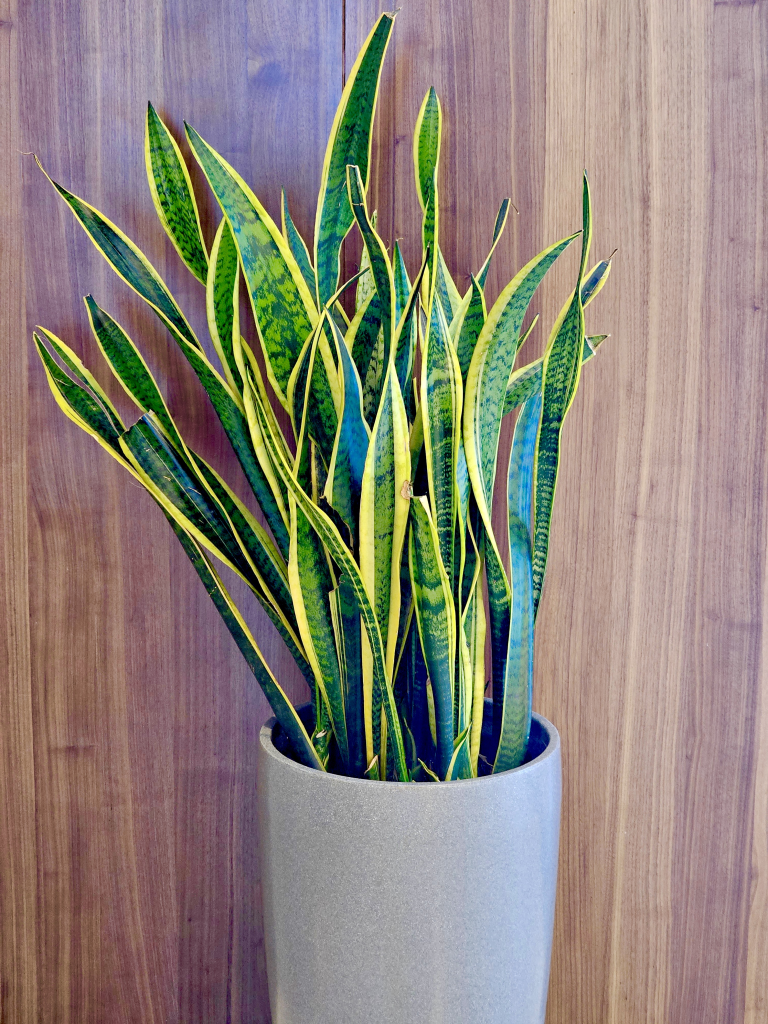
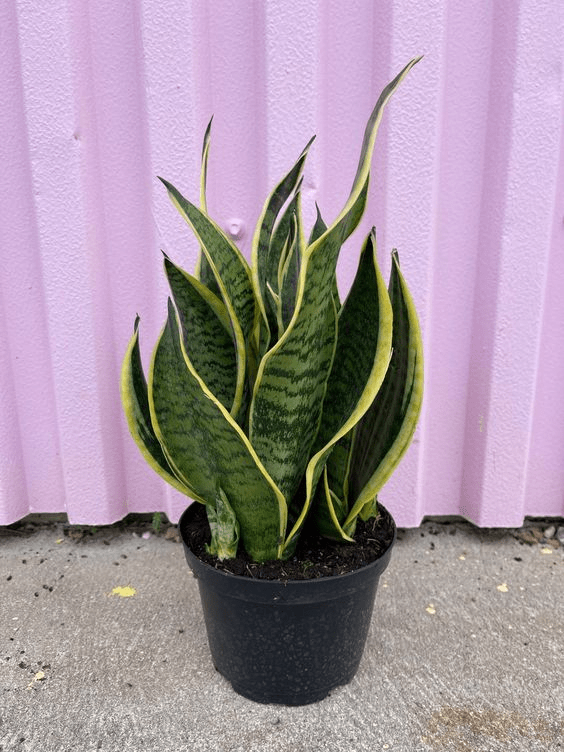
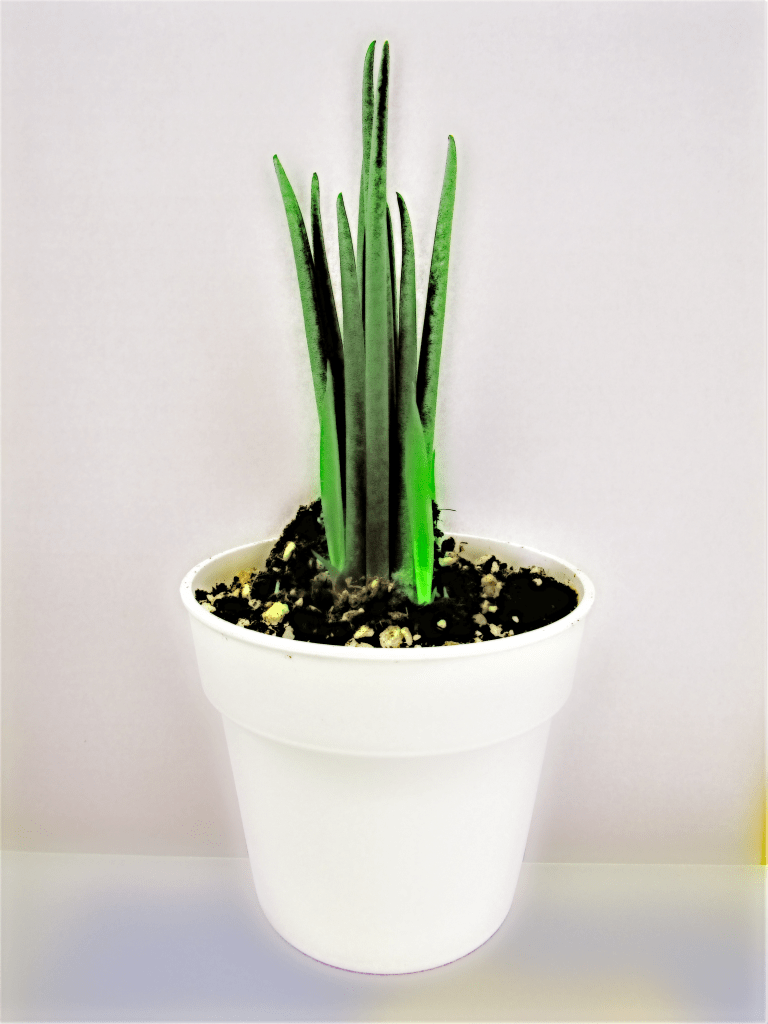
Also known as mother-in-law’s tongue, this upright plant is tough and stylish. Snake plants are great for classrooms with unpredictable light or busy schedules. From the classic trifasciata to the dwarf golden hahnii, there’s a snake plant perfect for every classroom.
- Classroom-Proof: Water every few weeks. It actually prefers a little neglect!
- Low Light Tolerant: Grows well in low light and needs less water in dim conditions.
- Air-Purifying: Helps clean indoor air by removing toxins like formaldehyde and benzene.
- Space-Saving: Grows vertically, so it fits in tight spots or floor planters.
Spider Plant (Chlorophytum comosum)
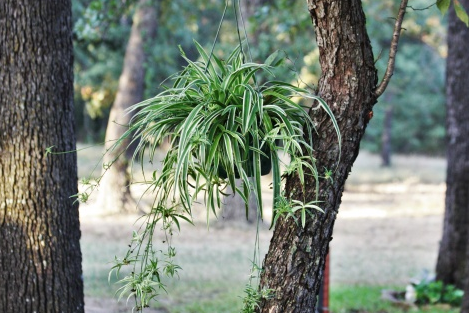
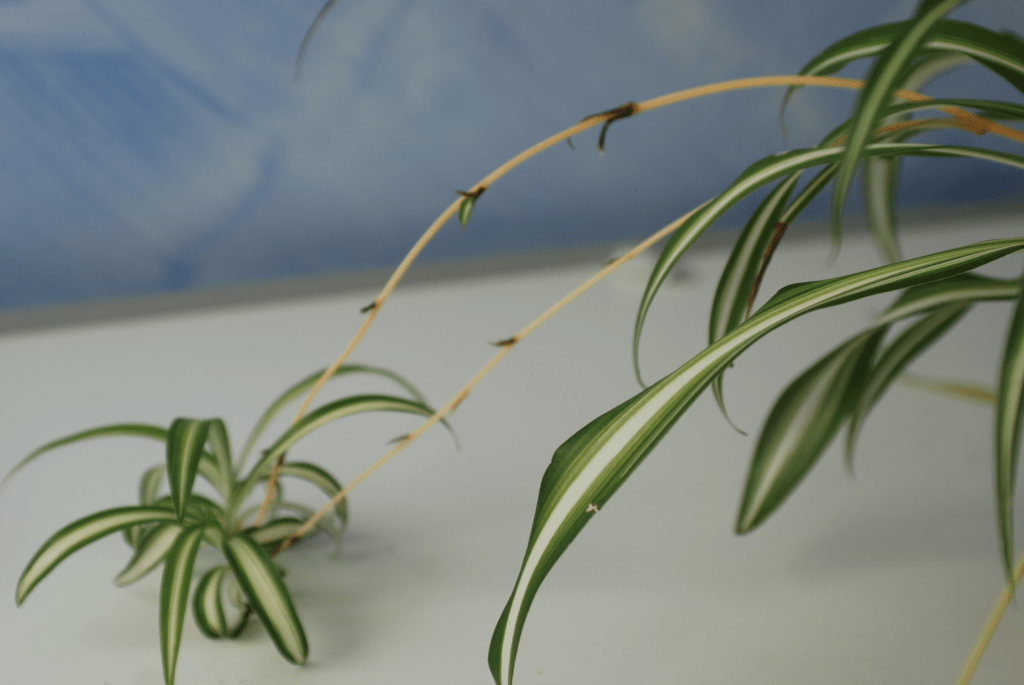
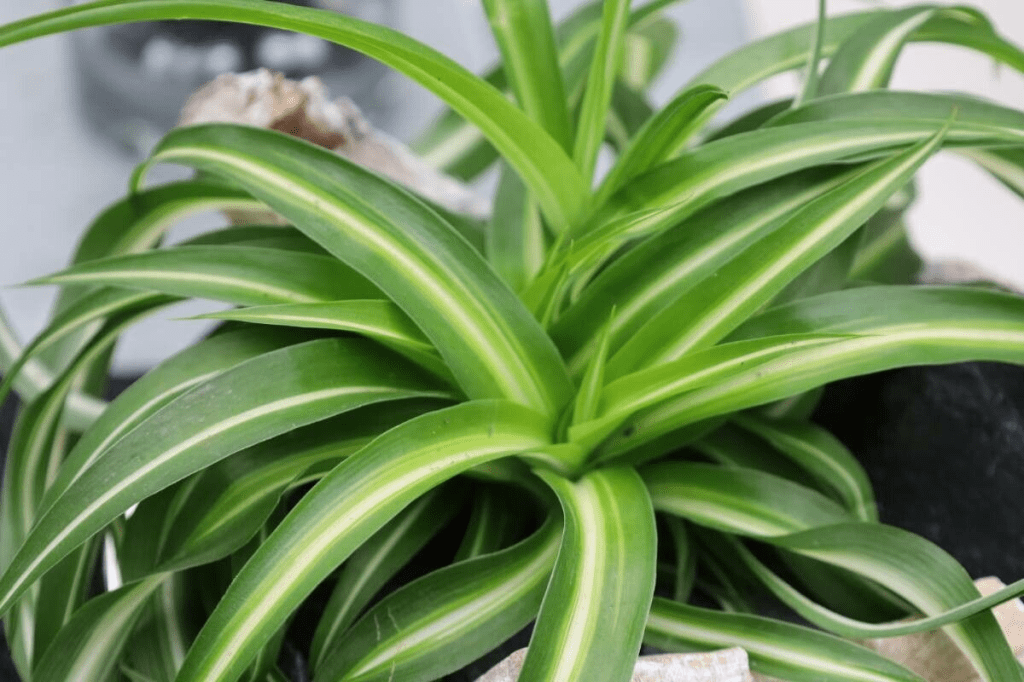
Think of the spider plant as the friendly neighbor of the plant world. It’s easygoing, adaptable, and generous with baby plants called “spiderettes.” The arching leaves make it great for hanging baskets or windowsills.
- Light-Loving: Prefers bright, indirect light but tolerates lower light too.
- Forgiving Water Needs: Let the soil dry slightly between waterings.
- Self-Propagating: Snip off the baby plants and replant them to create even more spider plants.
The power of plants goes far beyond decoration; they nurture the space itself. In trauma-responsive classrooms, plants offer quiet comfort, spark curiosity, and invite connection. Whether you start with one pothos or fill your windowsill with a family of spider plants, each one helps cultivate a classroom climate where safety and wonder can take root.
Author’s Note: While these plants are generally safe to handle, many, including those listed, are toxic if ingested by humans or animals. Keep out of reach of curious children and pets.
(Image Credits: Canva AI Generator; Creative Commons)


 Dr. Jill Davis
Leave a comment