
Originally posted on LinkedIn on June 24, 2025
I recently traveled to Chicago to speak at a conference, and my teen daughter joined me a few days early for some sightseeing. We packed in several new experiences, including an architectural boat tour, a visit to the Museum of Ice Cream, and multiple visits to Devil Dawgs, home to an outstanding vegan Chicago-style hot dog, complete with the city’s signature neon green relish.
One of my favorite stops was the Lincoln Park Conservatory. For those who haven’t played Clue in a while, a conservatory is essentially a large greenhouse for growing and displaying plants. In my part of the country, we’d just call it a botanical garden.
After securing our timed tickets, we entered the foliage-filled space. With several other visitors funneling in, my daughter and I hung back for a moment to avoid getting swept up in the crowd. We admired the colorful, tropical plants in the first room. Some of them were familiar and lived in my own collection of houseplants (shoutout to the golden pathos), while others were flora neither of us had seen before.
Among the first plants we encountered was Mimosa pudica, also known as the sensitive plant. The docent cracked a few jokes about its potential use in adult beverages before demonstrating its fascinating trick- when touched, the leaves rapidly fold in and droop. This phenomenon, known as thigmonasty, is an involuntary movement designed to deter curious herbivores from snacking on it. After a few minutes of “hiding time,” the leaves unfurl and reopen.
Once the docent moved on to another group, my daughter and I tested it ourselves, half-wondering if this was some illusion. Each time, it worked as if by magic.
Soon, two college-aged women strolled past us, oblivious to the magic of the plant. My inner teacher couldn’t resist, and I turned to them with excitement.
“Wanna see something cool? Watch what happens when you touch this plant!” I gently pressed the fronds between my fingers.
One of them gasped as the leaves folded inward. “What? How did it do that?”
I offered a brief explanation based on what the docent had shared with us. As I turned away, I saw my daughter’s familiar look of horror, the one reserved for parental embarrassments.
As we walked away, she scolded me. “Mom! I don’t think you’re supposed to touch the plants. And you shouldn’t just talk to random people.”
That didn’t sit right with me. The docent had shown us how the plant responded to touch. My daughter and I had even gently touched the plan multiple times under his watch. I understood the need to protect delicate flowers, but he hadn’t mentioned restrictions on interacting with Mimosa pudica.
Then, as the overthinker I am, I began questioning whether I should have demonstrated the plant’s reaction at all.
It reminded me of an experience early in my tenure at the university when a solar eclipse occurred in August 2017. We weren’t in the path of totality, but we experienced about 87% coverage. My husband had crafted a pinhole projector from a cardboard box, and I brought it to campus, eager to observe the phenomenon.
Since I didn’t have a scheduled class, I went outside with my DIY eclipse viewer. Needless to say, seeing a grown woman peering into a cardboard box got some odd looks from people walking around on campus. I quickly spoke up and asked, “Wanna see something cool?” I spent the next hour showing my homemade projector to curious students and offering a simple explanation of the science behind the device and the natural phenomenon that was occurring. Having spent years as an early childhood teacher and university professor, educating others came naturally. Showing the young ladies the sensitive plant in the conservatory was an extension of that instinct.
I walked away from the magical Mimosa pudica feeling awkward, embarrassed, and even a little defeated. My daughter and I were about to enter the next room when I sensed someone behind me.
I turned around and it was my two impromptu pupils.
“Thanks so much for showing us that plant,” one of them said. “We would’ve just walked right past it and never known it could do that.”
I smiled. “Of course! If the docent hadn’t shown us, we wouldn’t have known either.”
Just as I was about to launch into professor mode, I caught a familiar pair of big brown eyes boring into me, silently pleading that I let it go and walk away.
This time, I listened.
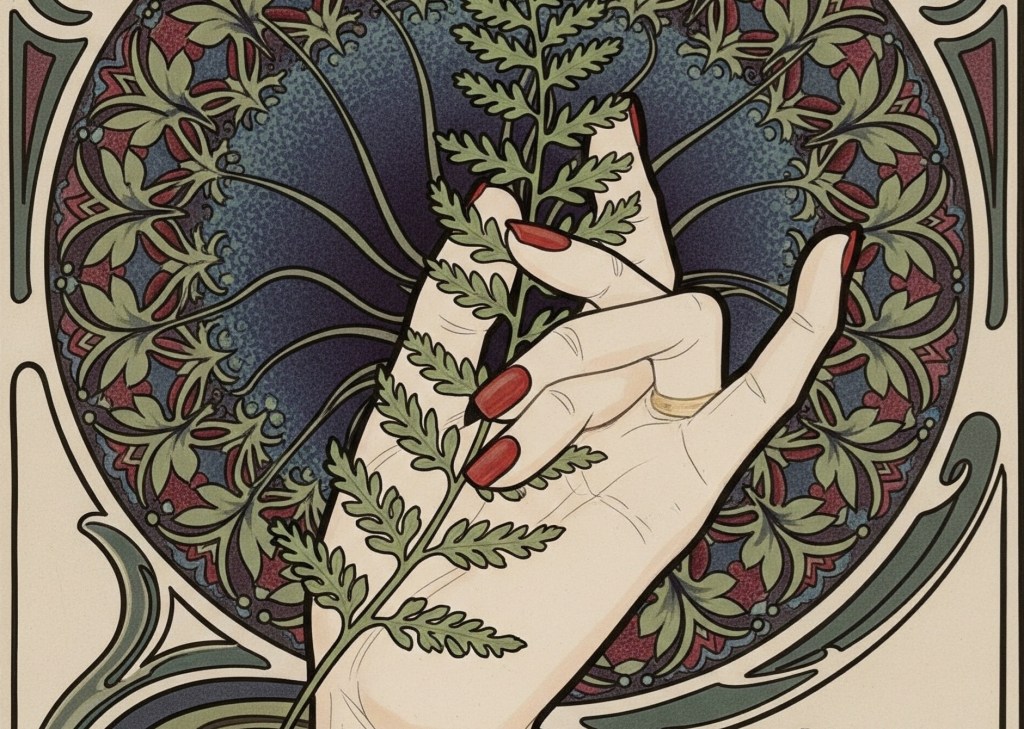
(Image Credit: Canva AI Generator)


 Dr. Jill Davis
Leave a comment